

Understanding Acupuncture
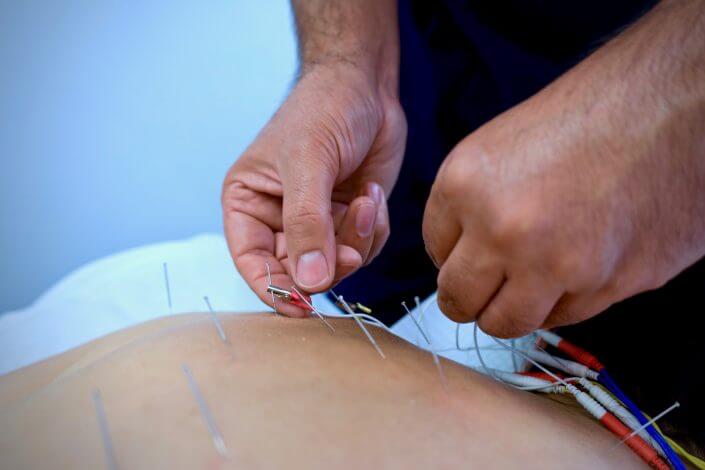
Acupuncture is a therapeutic practice that uses very fine, sterile needles inserted into specific points on the body to support circulation, regulate the nervous system, and encourage the body’s natural healing processes. These points are selected according to both Traditional Chinese Medicine principles and modern clinical understanding. Treatments may also include complementary techniques such as acupressure, heat therapy, cupping, or gentle manual stimulation.
Acupuncture is recognized as a safe and effective form of complementary healthcare and is commonly used to support overall physical and emotional wellbeing.
Conditions Commonly Supported
People seek acupuncture for a wide range of concerns, including:
• Chronic and acute pain such as injuries, TMJ tension, headaches, migraines, and carpal tunnel symptoms
• Upper respiratory symptoms including colds, sinus congestion, and seasonal discomfort
• Digestive issues such as IBS, bloating, constipation, and abdominal pain
• Reproductive and hormonal concerns including fertility support, menstrual irregularities, PMS, and menopausal symptoms
• Stress, anxiety, nervous system dysregulation, and sleep disturbances
Acupuncture continues to grow in popularity across Canada for its gentle and holistic approach to restoring balance and supporting long term health.
Safe, Sterile, and Comfortable Care
Acupuncture needles are extremely thin and flexible, roughly the width of a human hair. They are designed for comfort and bear no resemblance to medical injection needles. Most individuals describe treatments as minimally uncomfortable or deeply relaxing.
Your safety is always the highest priority. Practitioners use single use, sterile needles that are opened from sealed packaging and disposed of immediately after treatment. Each point is cleaned with alcohol prior to needling. Treatments are tailored to your comfort level, creating a calm and supportive experience from start to finish.
How Acupuncture Works in the Body
Acupuncture influences the body through several clinically observed mechanisms. Research suggests it may:
• Regulate the nervous system and reduce stress responses
• Improve circulation and microcirculation in targeted areas
• Reduce inflammation and support tissue recovery
• Calm overactive pain signalling pathways
• Support digestive function and vagus nerve activity
• Encourage the release of natural pain relieving and mood enhancing chemicals
• Promote restorative sleep and overall balance
By identifying areas of imbalance, acupuncturists select points that help restore healthier functioning across multiple systems. Treatment plans are individualized and evolve as your body responds.
Gallery
Acupuncture FAQ
No special preparation is required before starting acupuncture. Just make sure your treatment is administrated by certified professionals.
In general, acupuncture has a high degree of reliability if performed by an experienced, skilled and careful specialist. Except for a few countries, acupuncturists are licensed in the office and guaranteed by the government.
The needles are very delicate and flexible and can even pass through the labia of nerve and sensory cells, so the pain is very little or insignificant, and with special techniques and methods, there is no pain when the needle enters the skin.
All age groups, from one-day-old infants to very old people, can use this method without any side effects, and after completing the treatment.
Depending on the health of the patient, type of disease, duration of onset, the severity of disease, age and sex of the patient, the duration of treatment varies. Each treatment session lasts about 20 minutes. In some acute diseases, 2 to 3 sessions of treatment are enough.
The results last for 3 to 5 months after a 10-session course of treatment. Every disease is different. But usually, every patient will need maintenance treatment once a month or once every 3 months.
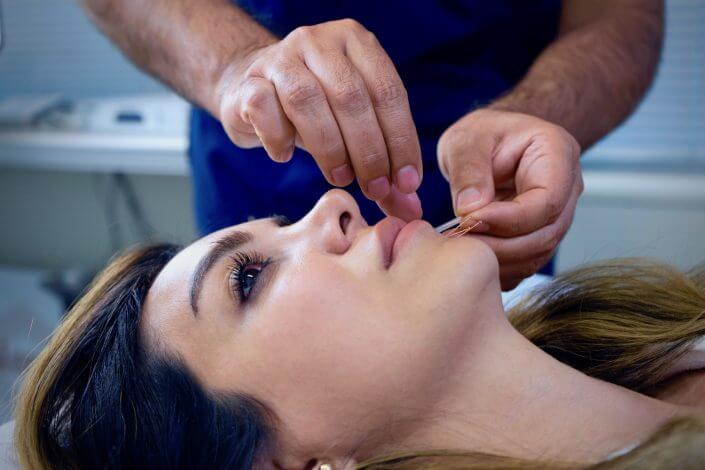
The needles are covered with silicone material, so they penetrate the skin easily with minimum pain. The skin of the face is very sensitive, so the needles used in cosmetic acupuncture care for delicate and sensitive areas, however, Minor bleeding may occur in some areas.